
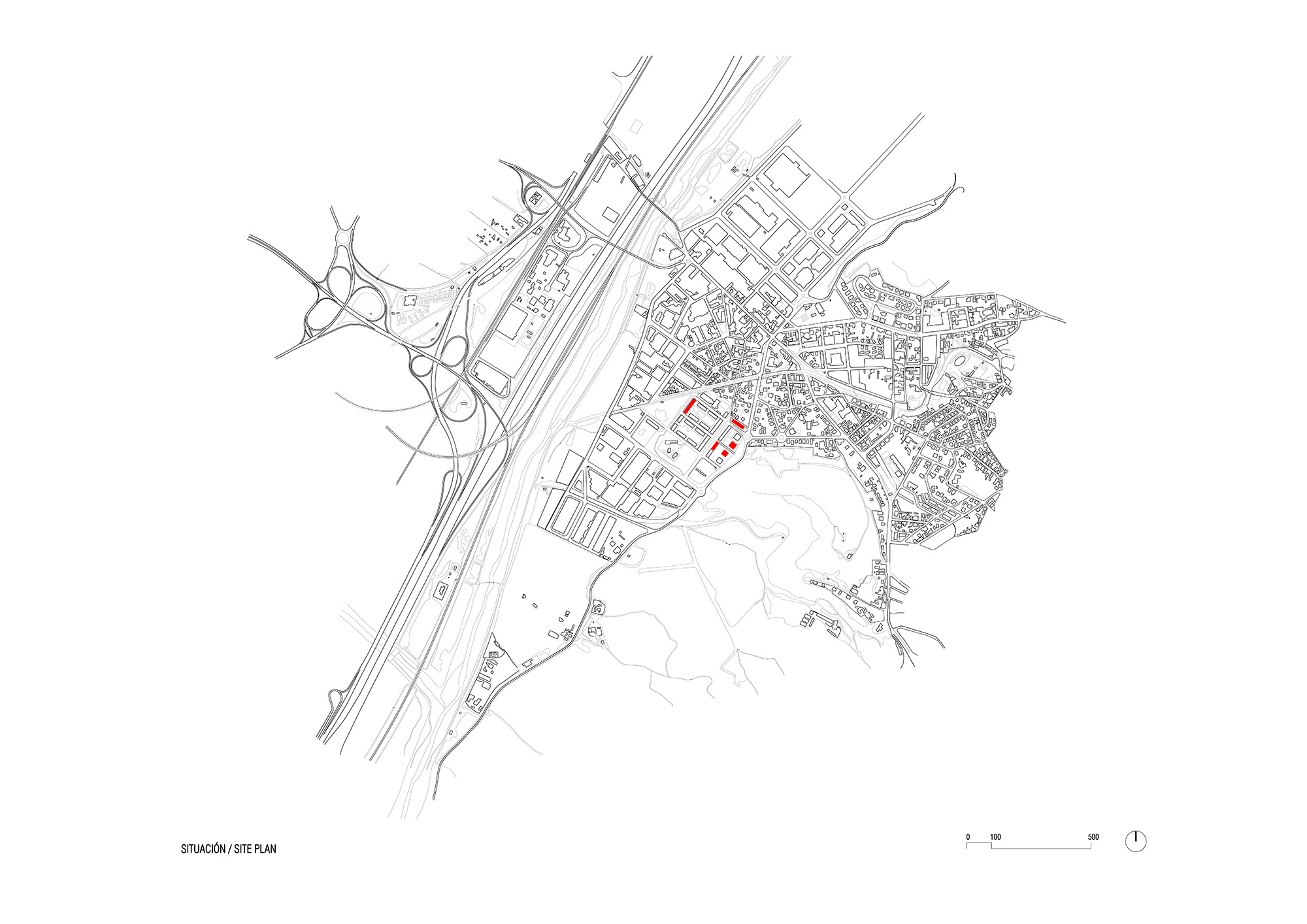
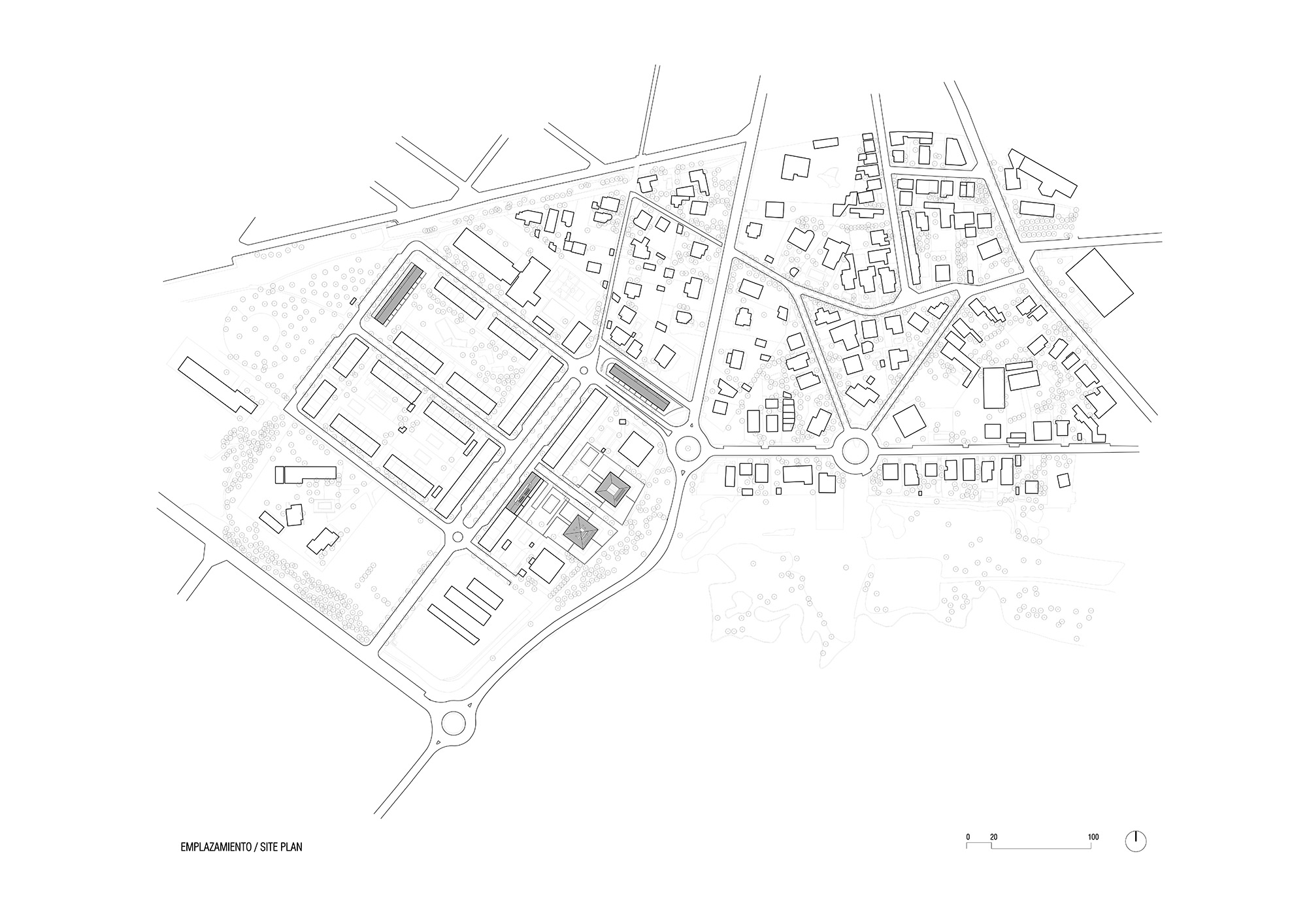
Sant Fost de Campsentelles is a small municipality of just under 10,000 inhabitants, located between the Besòs River and the Coastal Range. It lies only 20 kilometres north of Barcelona, a condition that led to significant demographic growth during the early 2000s as housing prices rose in the capital.
In response to this growth, the local council promoted the development of an expansion area in the southern part of the municipality, between the historic centre and the Can Baliarda industrial estate. The new neighbourhood grew rapidly until the arrival of the 2008 crisis, which left several plots partially built and others vacant.
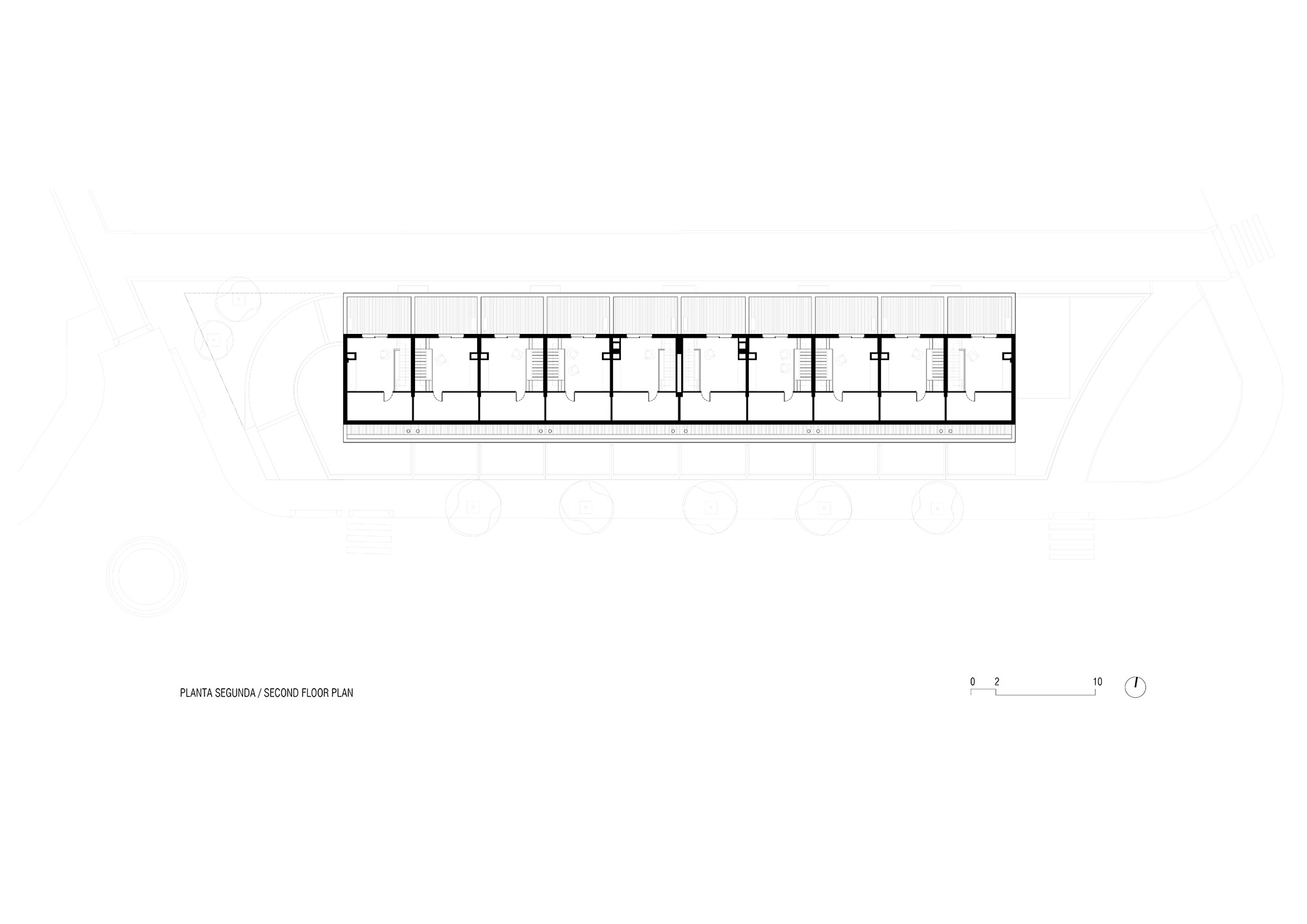
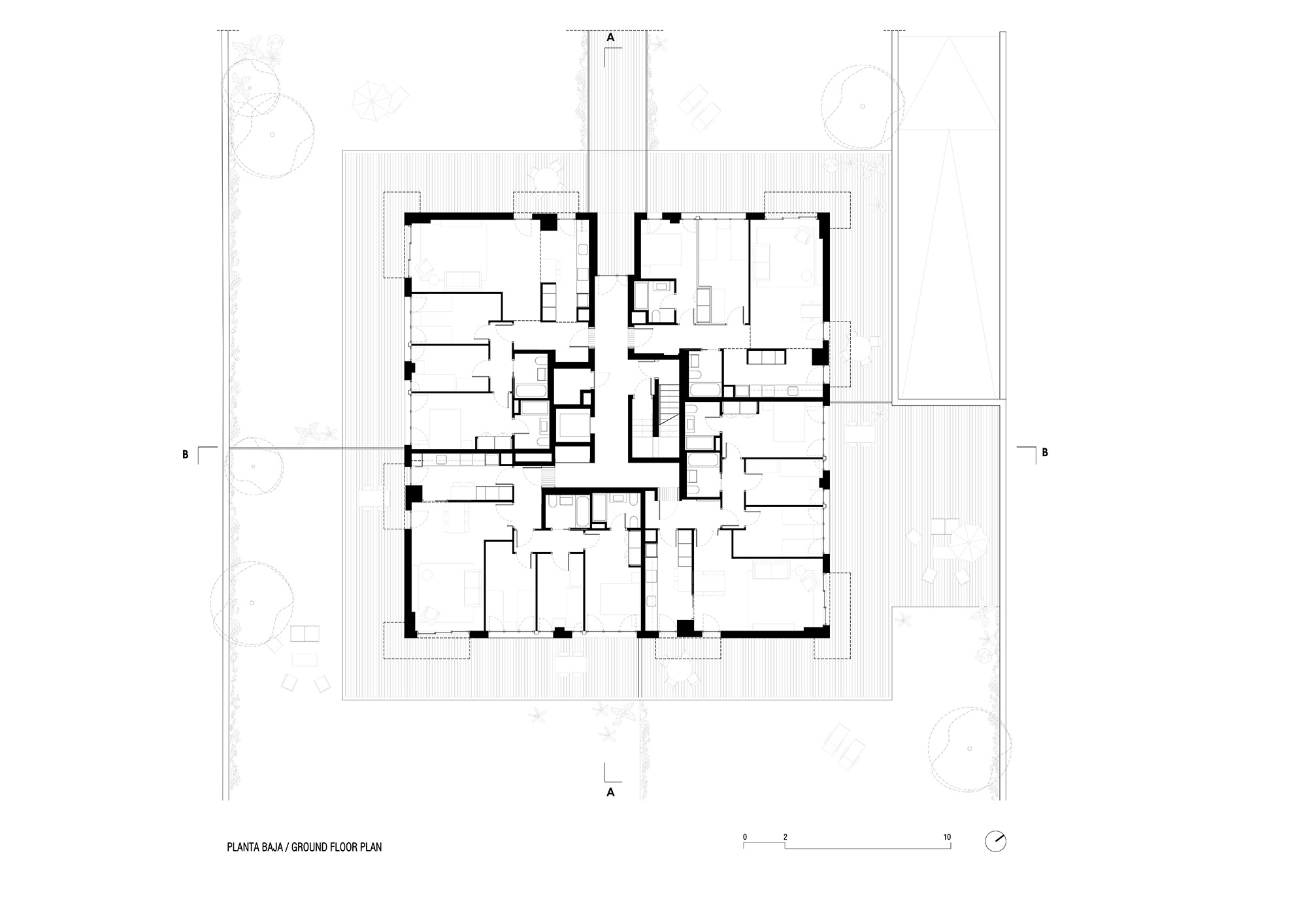
The project consists of four residential blocks in different formats: two freestanding buildings with 16 dwellings each, a block of 10 semi-detached dwellings, and a fourth party-wall building containing 15 dwellings. An additional challenge was that two of these blocks had been left partially built in previous years—as a result of the crisis that affected the former development company—so the new projects had to be developed taking into account the condition of the existing structures.
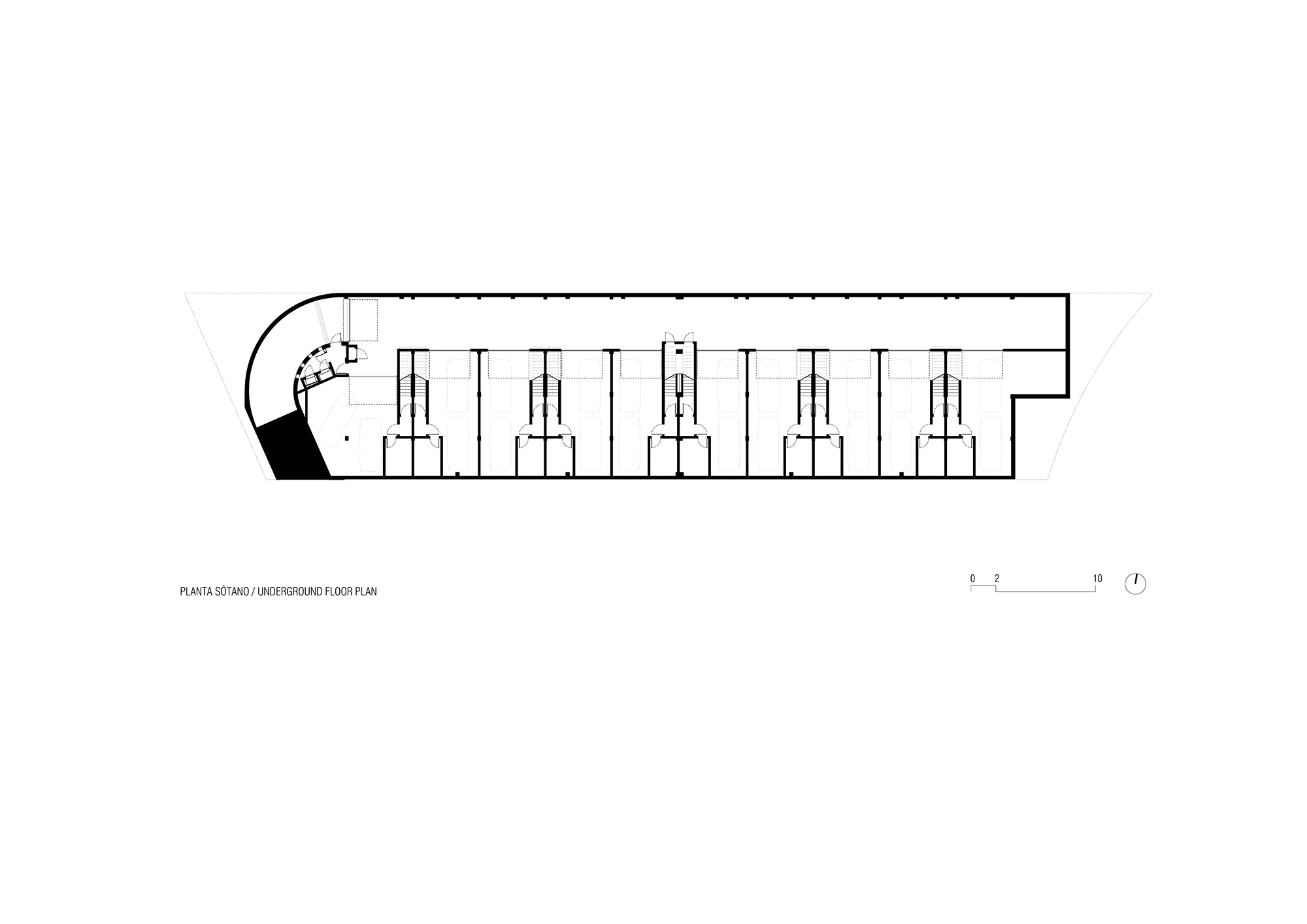
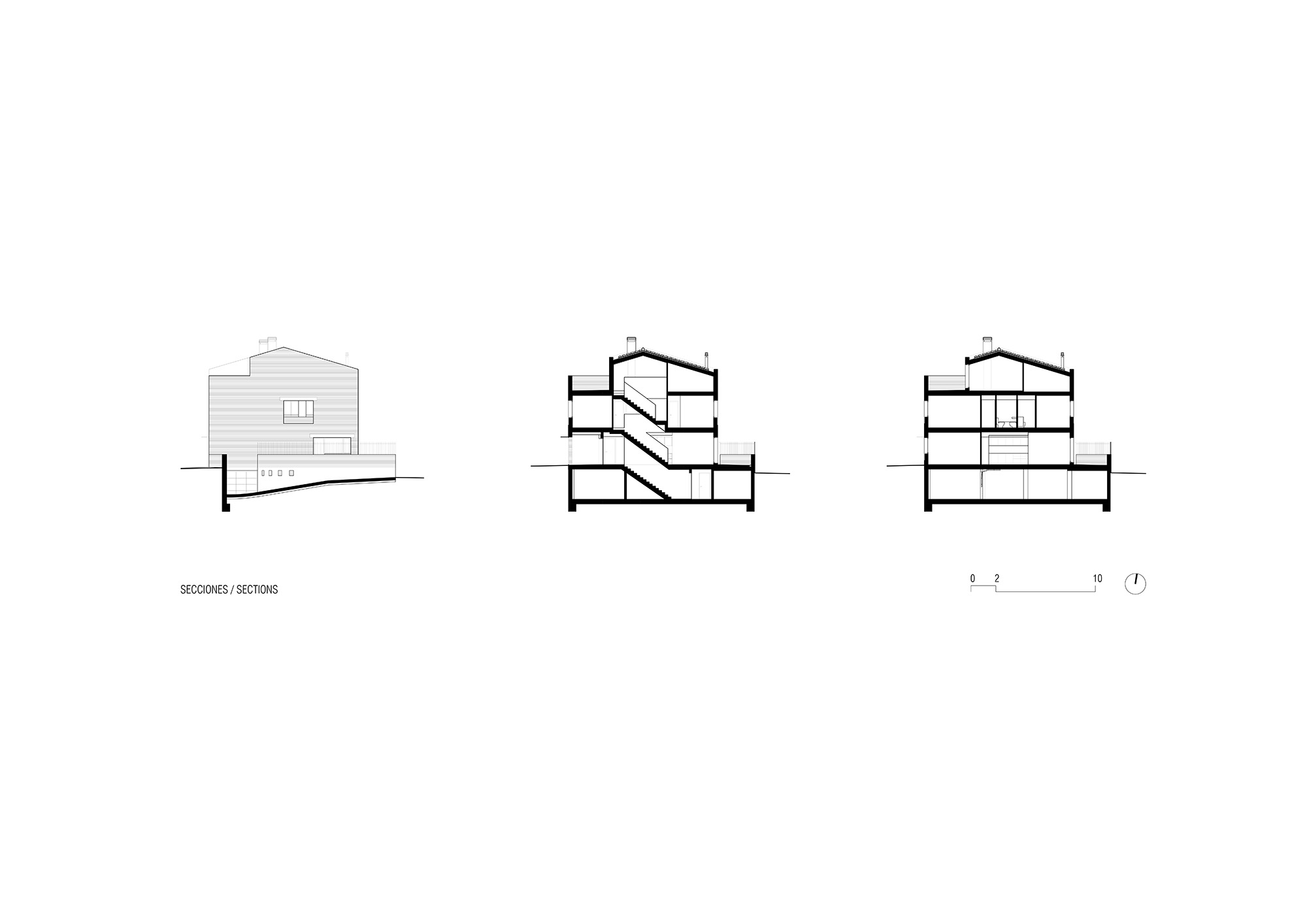
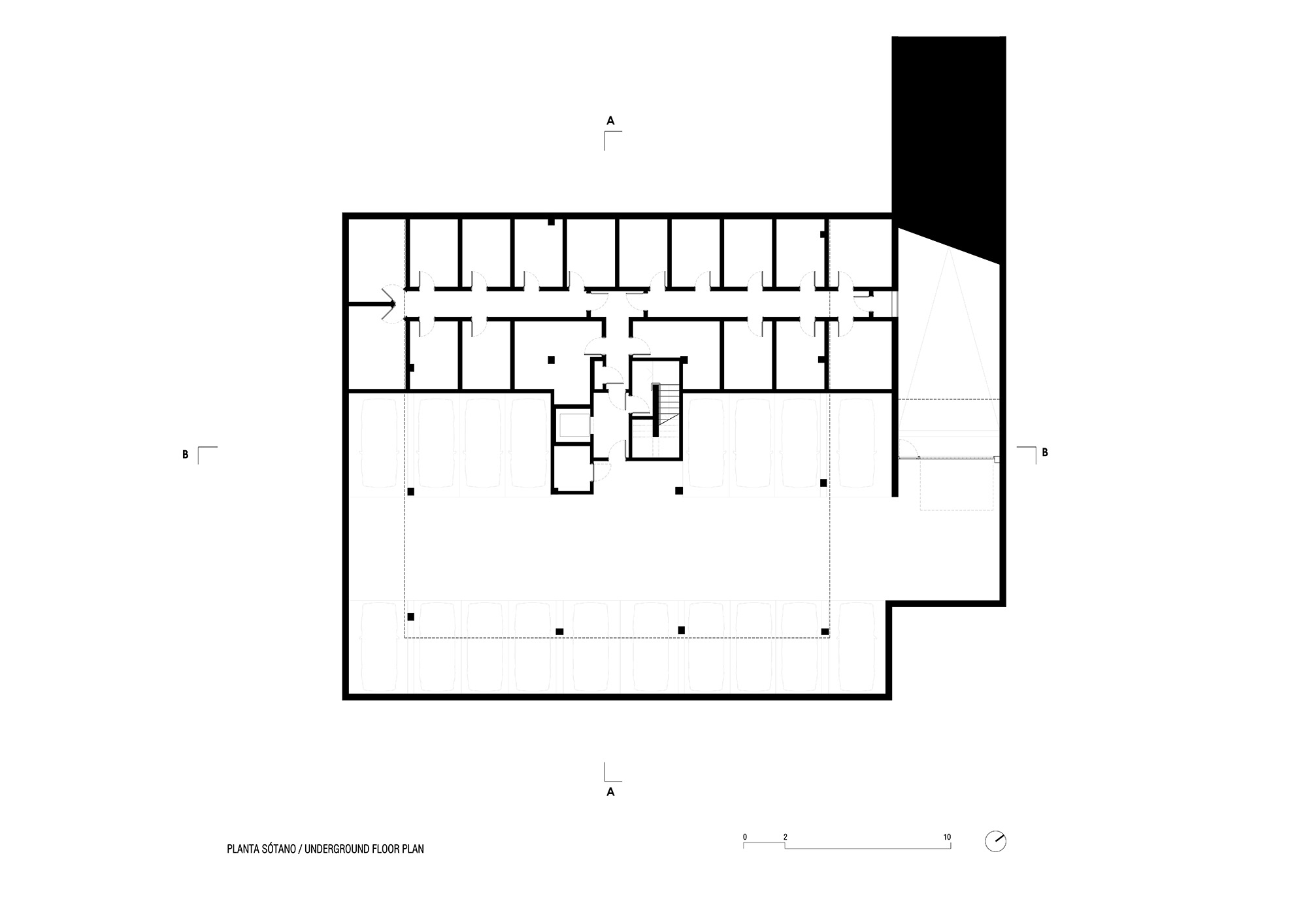
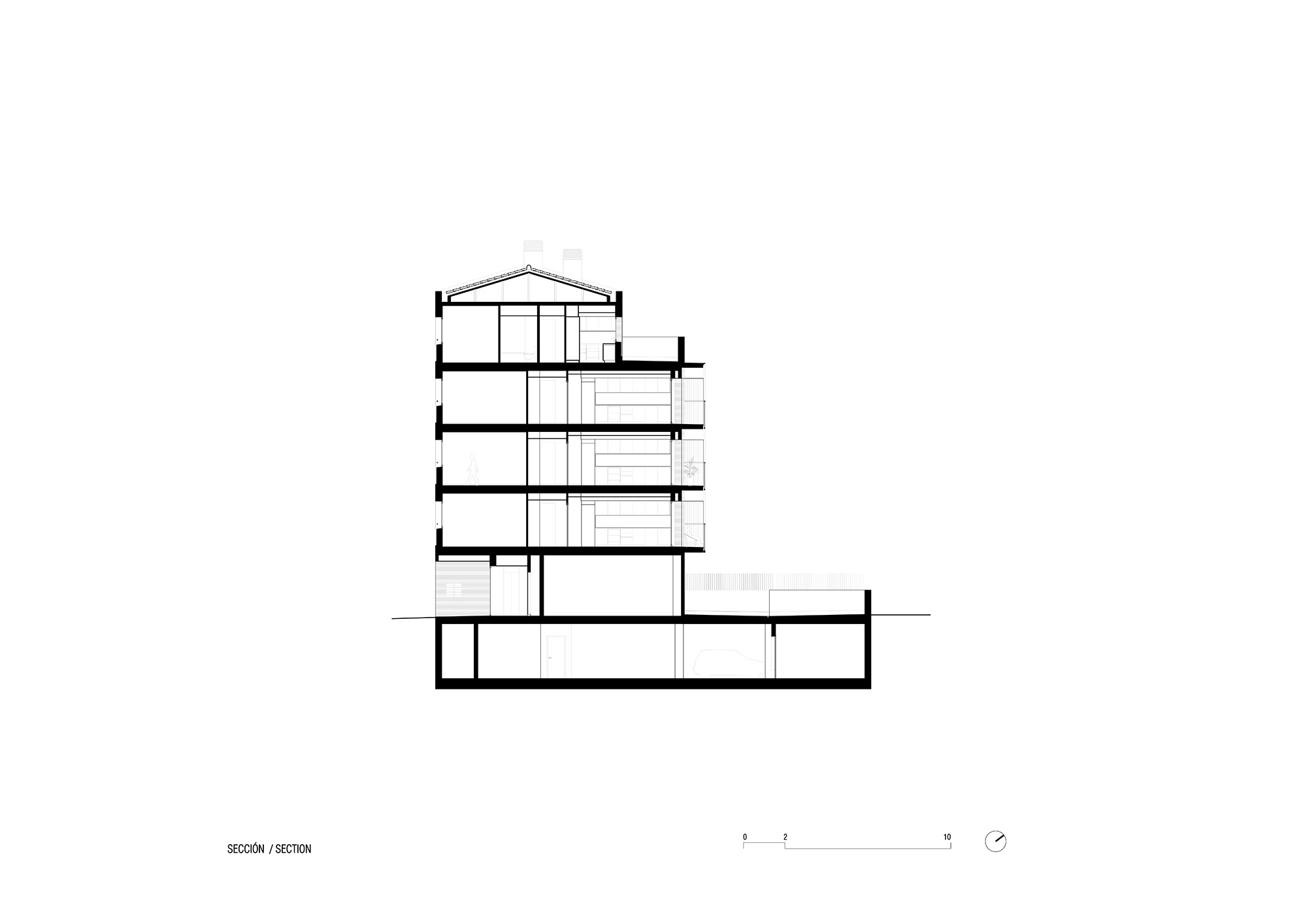
In one of the blocks, both the structure and the roof had already been completed; in the other case, a basement had been built, largely determining the rest of the project.
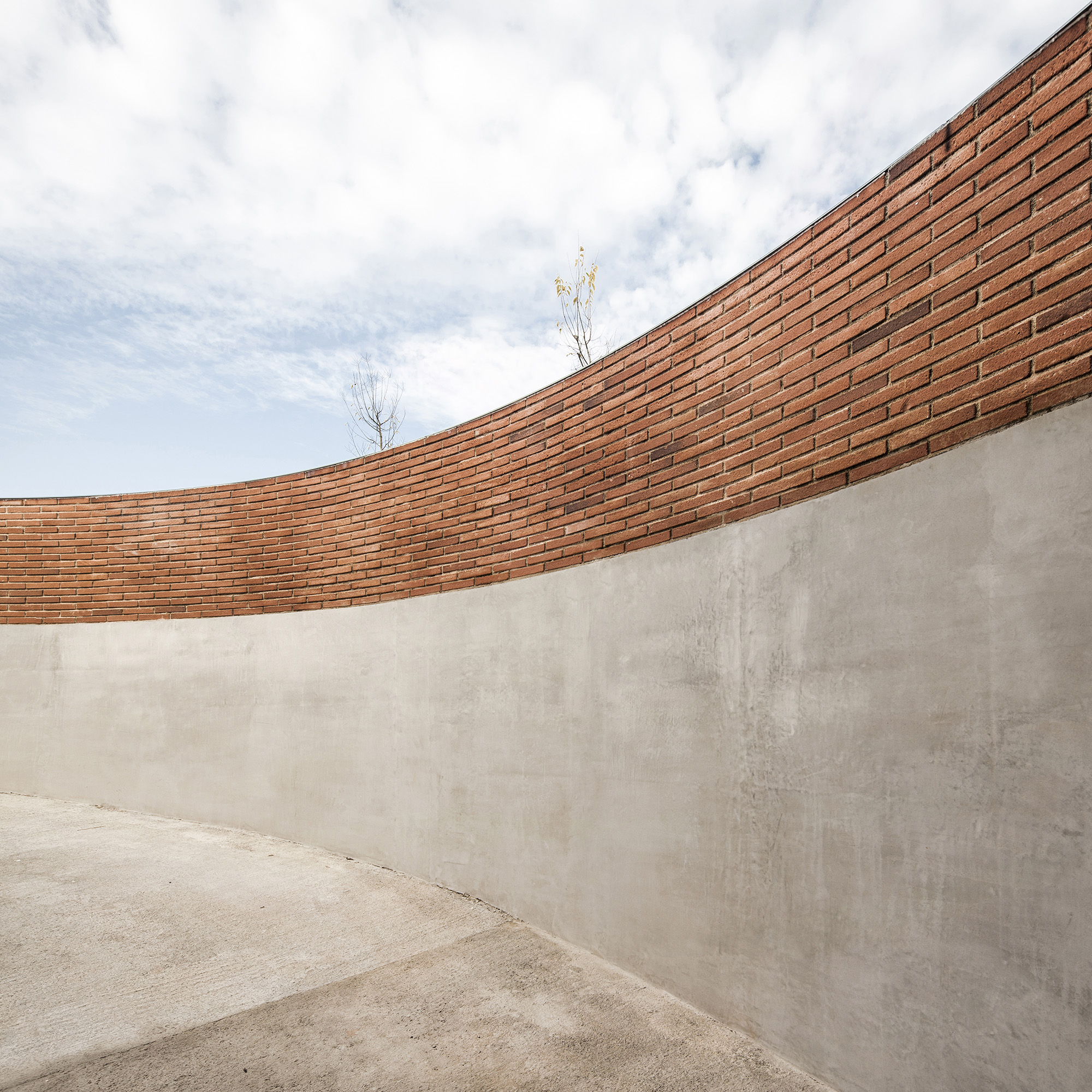
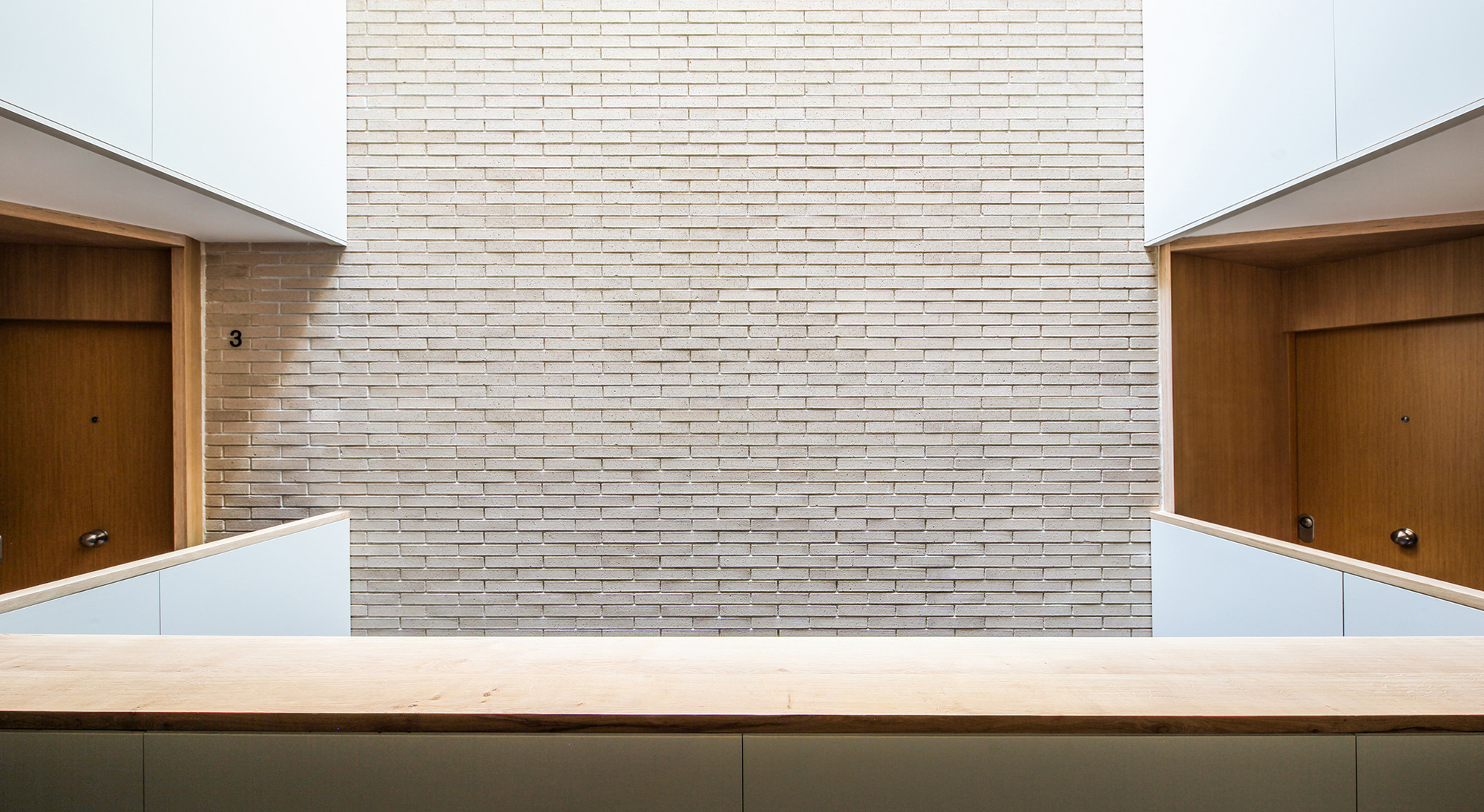
Given this situation, the proposal is to work on the four buildings as independent projects, while endowing them with certain shared characteristics that help establish a common “tone” and contribute to the atmosphere of the neighbourhood. In this sense, brick becomes a unifying element across all four buildings, while openings, railings, lintels, and plinths vary in each case, allowing each piece to be inserted into the neighbourhood with its own personality and, at the same time, to engage in a dialogue that lends character to the whole.
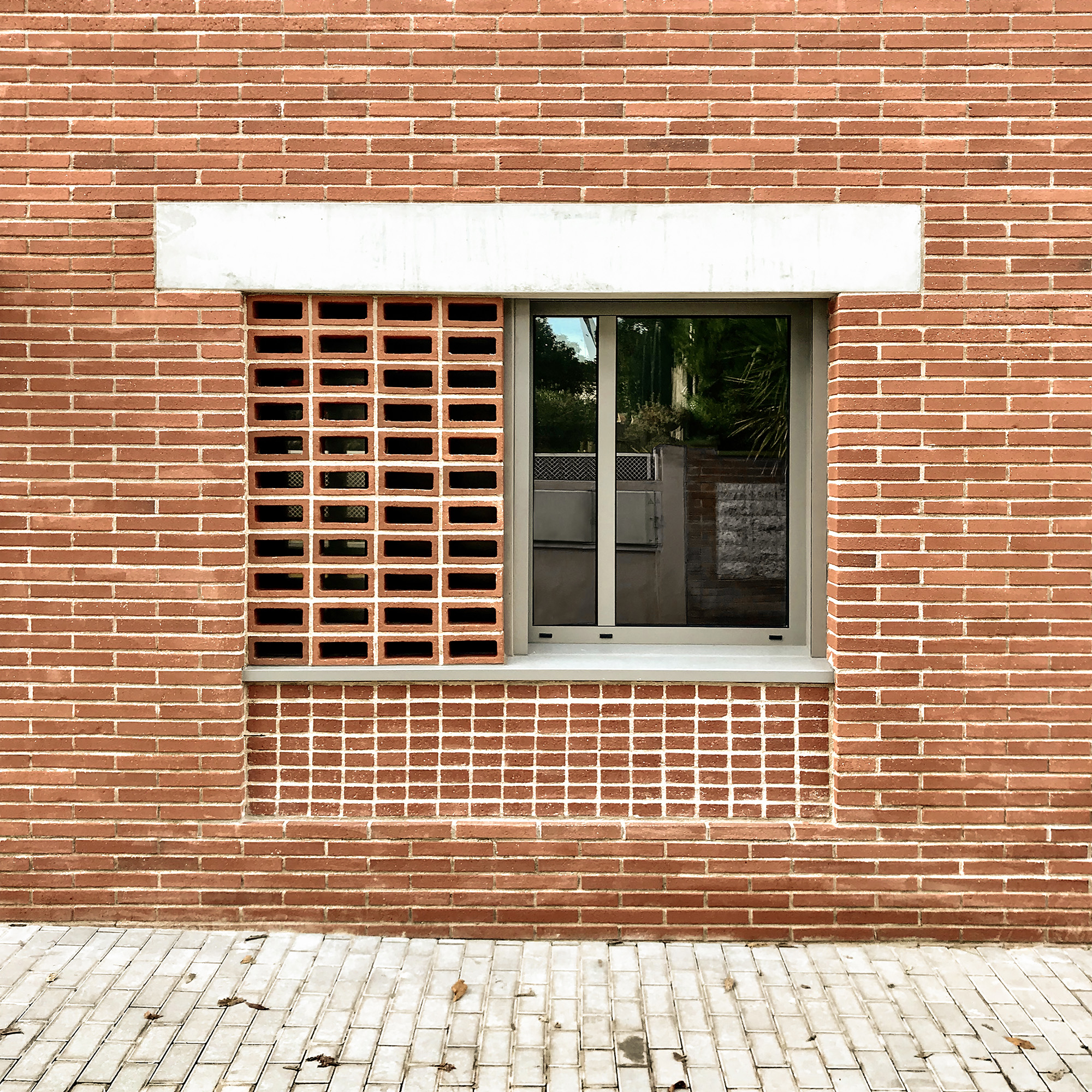
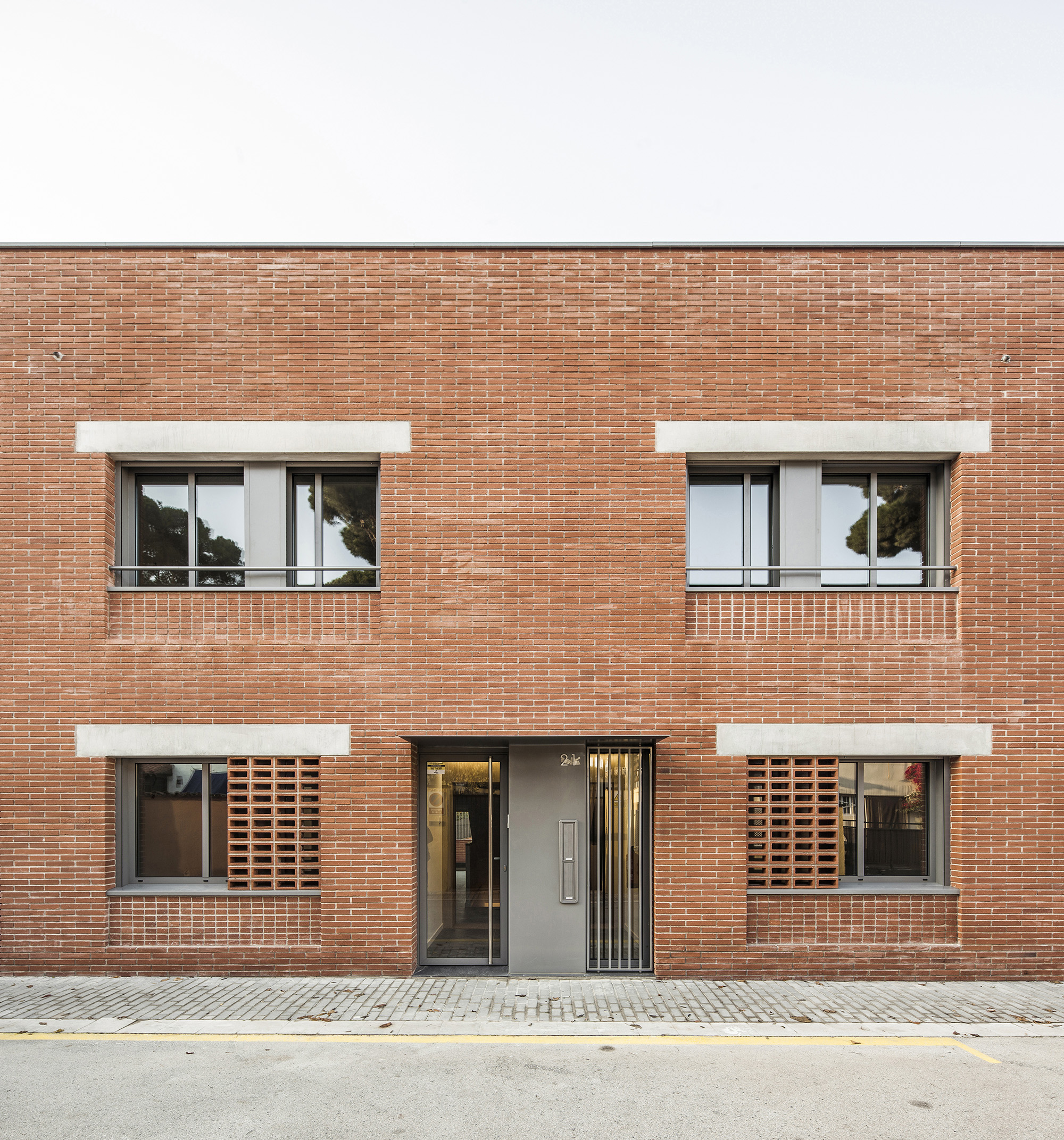
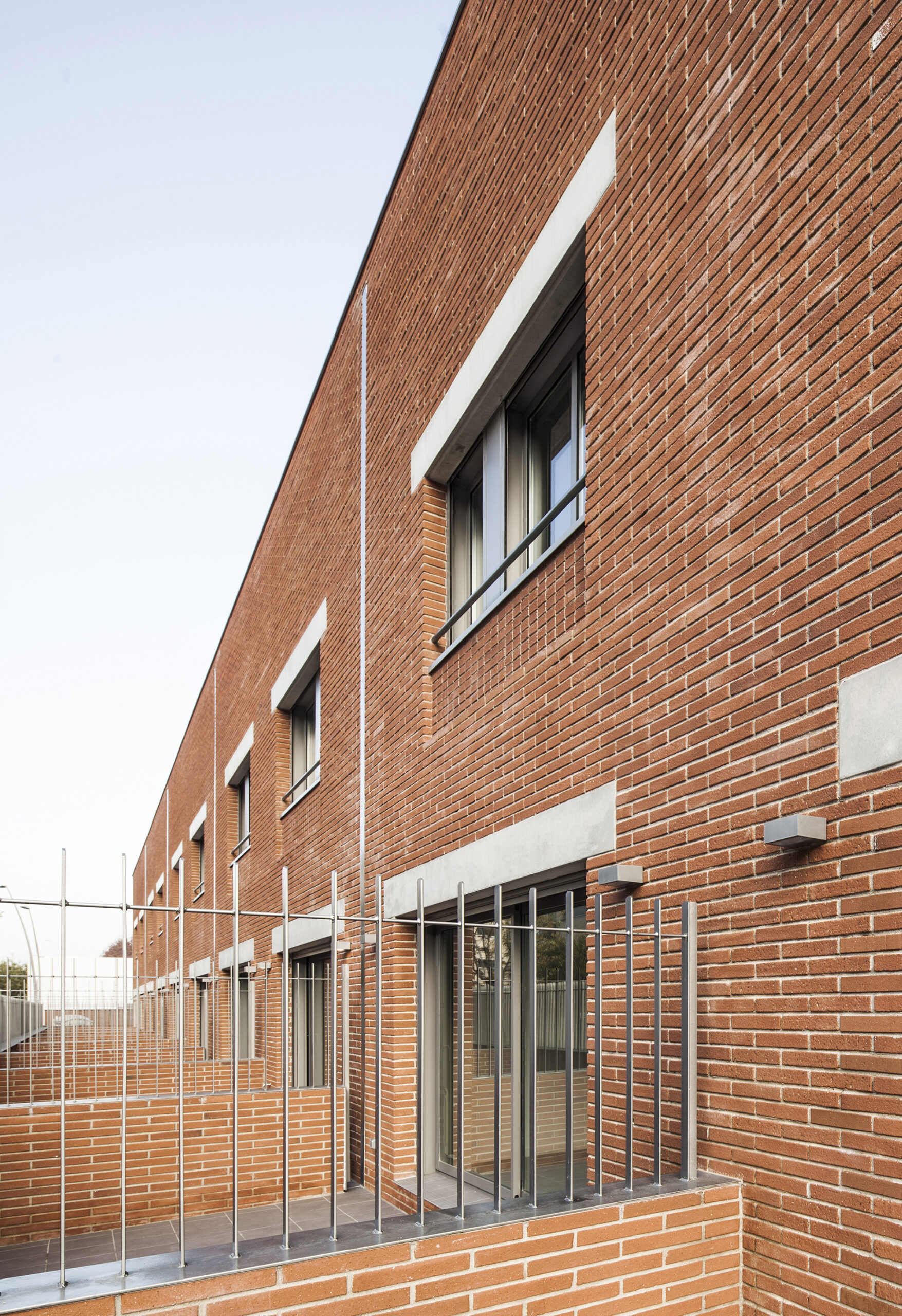
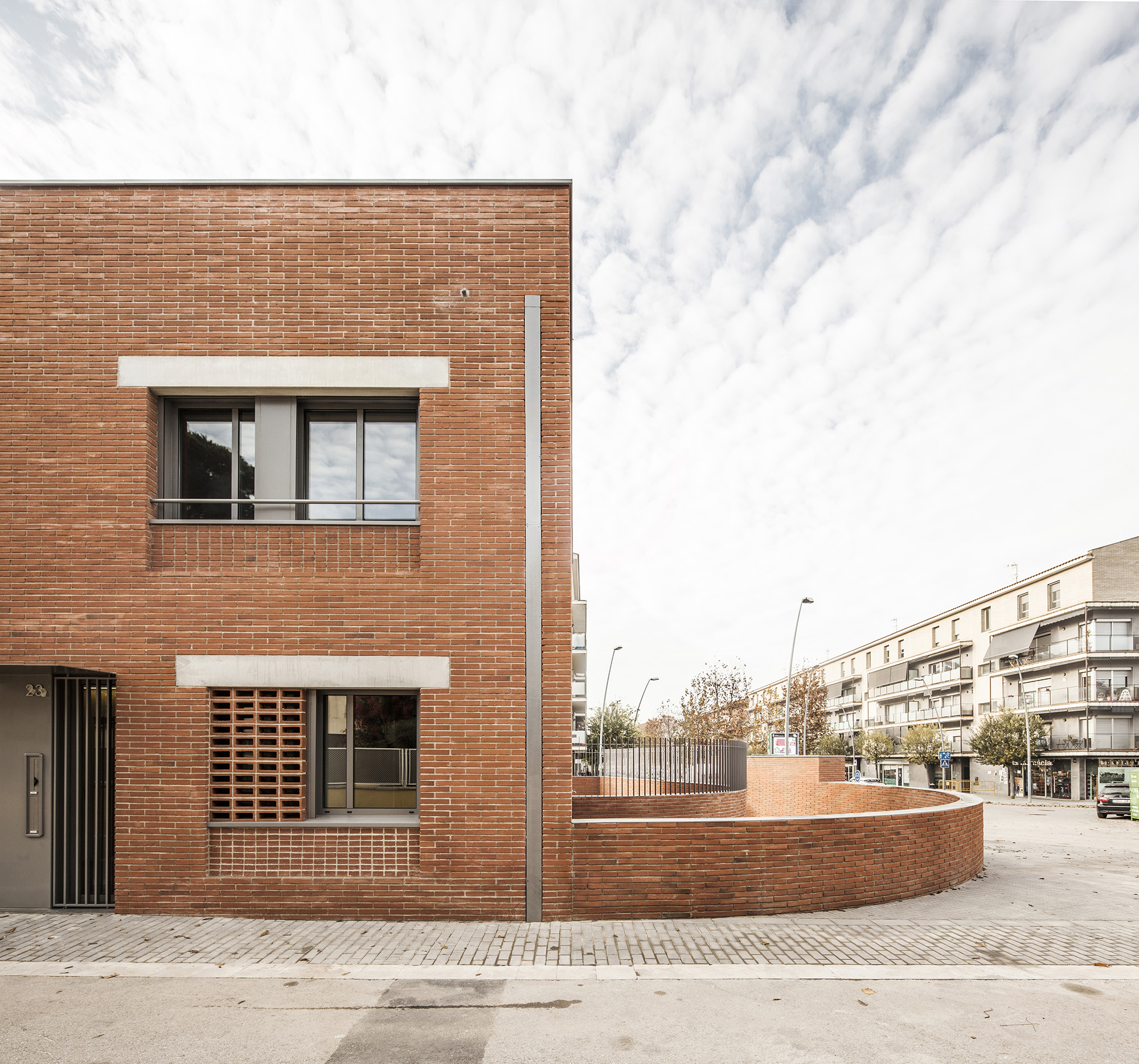
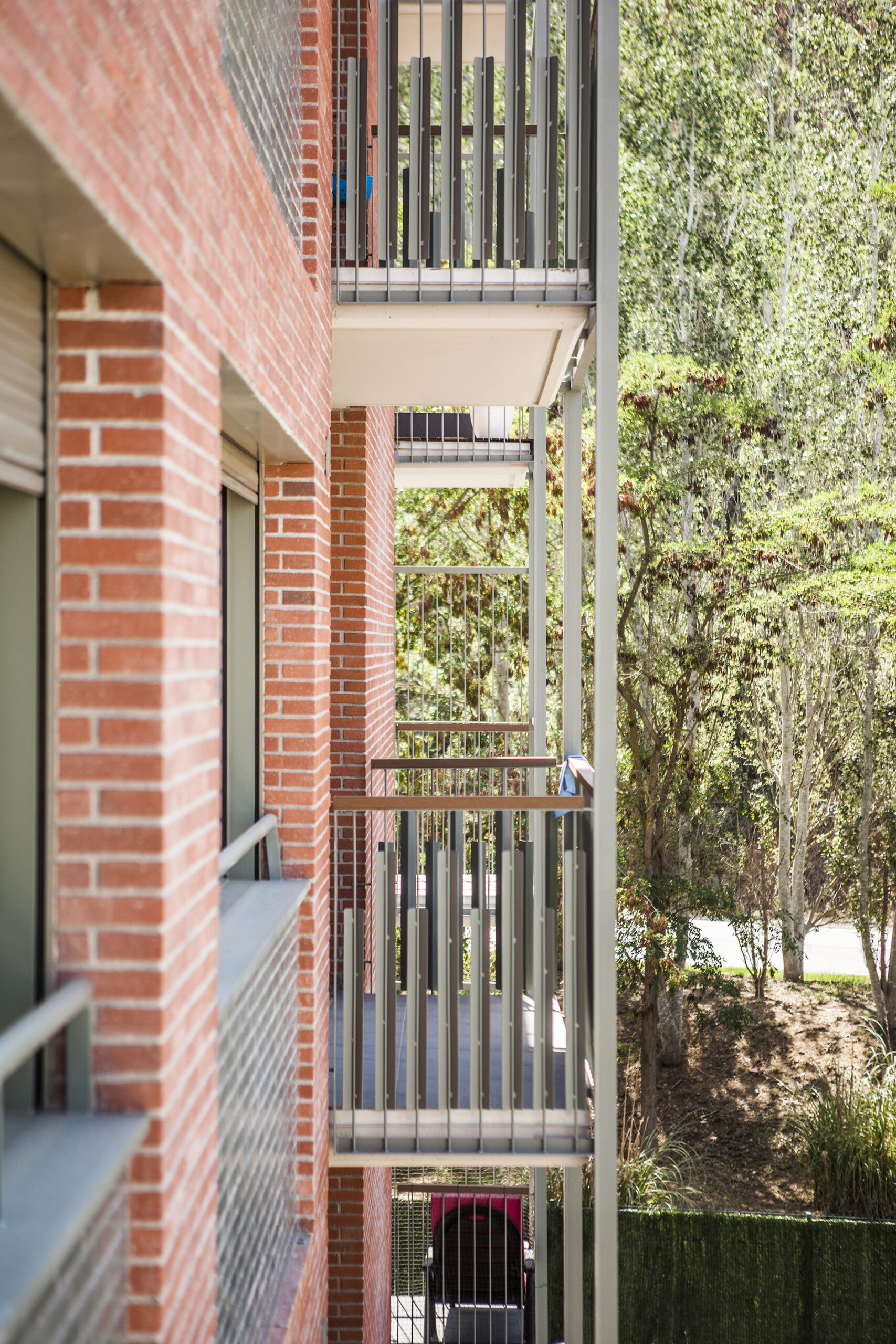
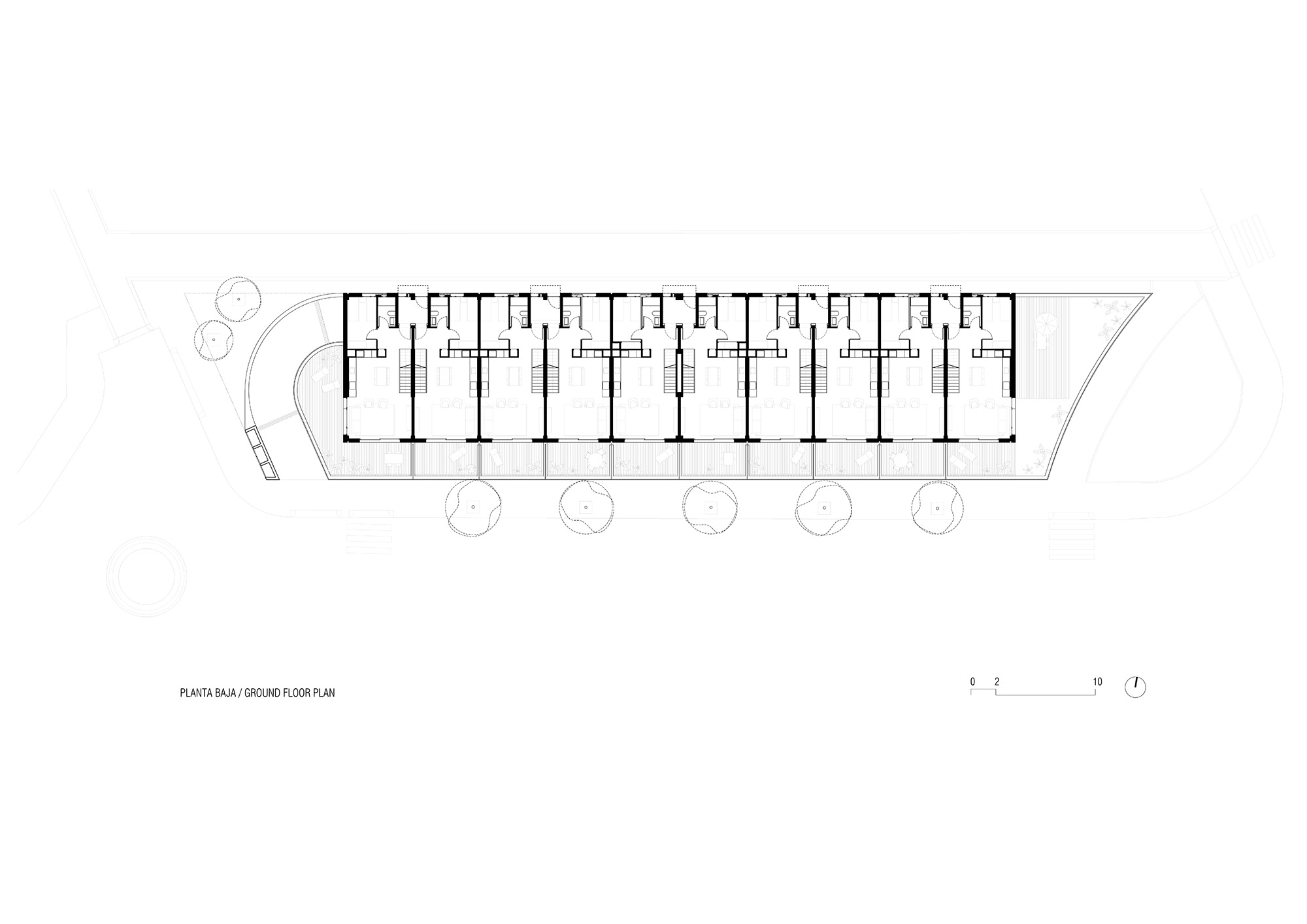
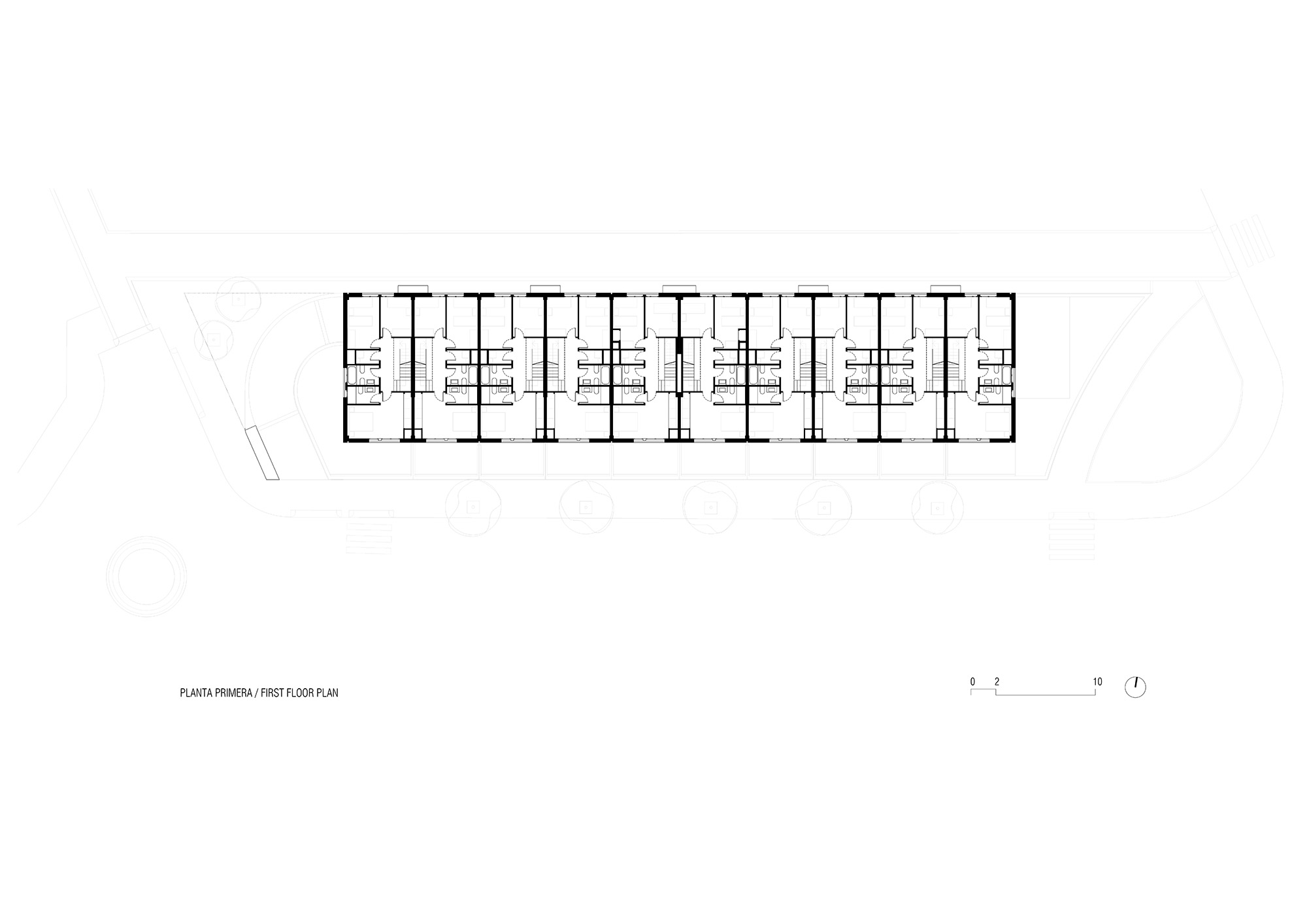
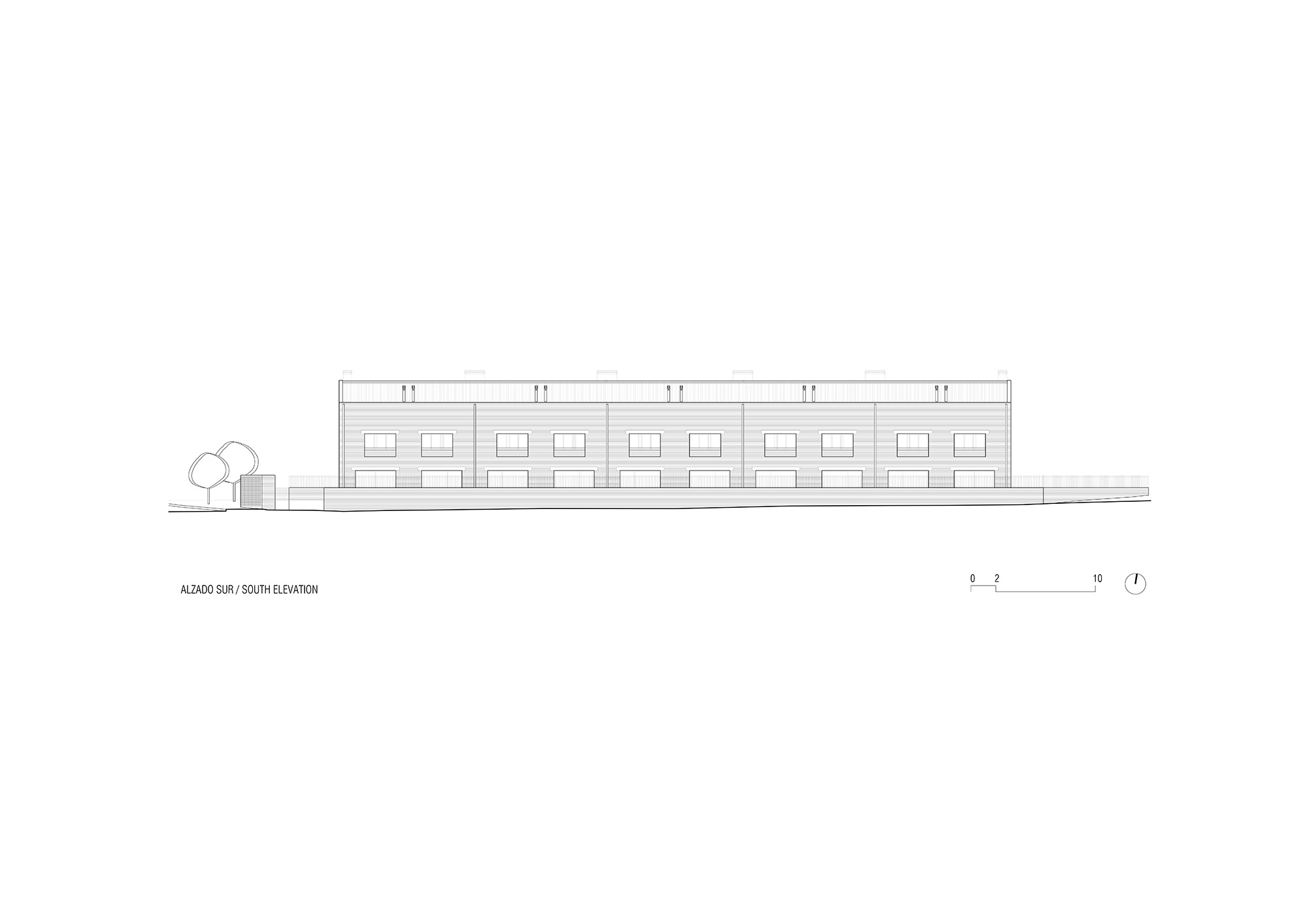
As an example, the semi-detached dwellings express their relationship with the context through lintelled openings and ceramic lattice screens that mediate between interior and exterior. In the freestanding residential blocks, the materiality of brick is complemented by the lightness of green-toned railings, in dialogue with the adjacent Coastal Range. In the linear block facing the main avenue, the brickwork generates textures at ground level to define a plinth that continues the language of the neighbouring façades.
This is, therefore, a project that embraces the everyday, a quiet architecture that varies through small nuances and does not seek to be a protagonist, but rather to add meaning to what already exists. Ultimately, an architecture that aims to contribute to the making of the city.









HACER CIUDAD / 67 viviendas en Sant Fost de Campsentelles
Sant Fost de Campsentelles es un pequeño municipio de apenas 10.000 habitantes, ubicado entre el río Besós y la cordillera Litoral. Se encuentra a tan solo 20 kilómetros al norte de Barcelona, lo que propició que durante los años 2000 experimentara un notable crecimiento demográfico debido al incremento del precio de la vivienda en la capital.
Como respuesta a este crecimiento, el ayuntamiento impulsó la creación de un ensanche en una zona situada al sur del municipio, entre el casco antiguo y el polígono industrial de Can Baliarda. El nuevo barrio creció rápidamente hasta la llegada de la crisis de 2008, que dejó varias parcelas a medio construir y otras vacías.
El proyecto consiste en la realización de cuatro bloques de vivienda en distintos formatos: dos edificios exentos de 16 viviendas cada uno, un bloque de 10 viviendas pareadas y un cuarto volumen entre medianeras de 15 viviendas. La dificultad añadida era que dos de estos bloques habían quedado a medio construir en años anteriores —como consecuencia de la crisis que afectó a la antigua empresa promotora—, por lo que los nuevos proyectos debían desarrollarse teniendo en cuenta el estado de las estructuras existentes.
En uno de los bloques, tanto la estructura como la cubierta estaban terminadas; en el otro caso, ya se había ejecutado un sótano que condicionaba en gran parte el resto del proyecto.
Ante esta situación, se propone actuar sobre las cuatro piezas tratándolas como proyectos independientes, pero dotándolas de ciertas características comunes que ayuden a establecer un “tono” compartido y a contribuir a la atmósfera del barrio. En este sentido, el ladrillo se convierte en un elemento unificador en los cuatro edificios, mientras que las aberturas, barandillas, dinteles y zócalos varían según cada pieza, permitiendo que cada una se implante en el barrio con su propia personalidad y, al mismo tiempo, que juntas entablen un diálogo que aporte carácter al conjunto.
A modo de ejemplo, las viviendas pareadas trabajan su expresión hacia el contexto a través de huecos adintelados y celosías cerámicas que median entre el interior y el exterior. En los bloques de viviendas aisladas, a la materialidad del ladrillo se suma la ligereza de unas barandillas de tonos verdosos, en diálogo con la adyacente cordillera Litoral. En el bloque lineal que da frente a la avenida principal, los ladrillos generan texturas en la planta baja para definir un zócalo en continuidad con las fachadas vecinas.
Se trata, pues, de un proyecto que apuesta por lo cotidiano, por una arquitectura silenciosa que varía a través de pequeños matices y que no busca ser protagonista, sino sumar significado a lo ya existente. En definitiva, una arquitectura que pretende hacer ciudad.
Arquitectos: BACH / Jaume Bach, Anna Bach, Eugeni Bach
Colaboradores: Roger Molas, Silvia Ripoll, Mario Sousa, Àngels Cañellas; Best BCN / Nacho Costles (estructuras); Centre Català de Geotècnia (estudio geotécnico); Tècnics G3 (Mediciones y presupuesto); David Casadevall (acústica), Consulting Oficina Tècncia Lluís J. Duart (instalaciones); Supportis (dirección de ejecución).
Fecha de finalización de la obra: 2025
Superficie construida: 8.500 m2
Promotor: Solvia inmobiliaria
Constructor: Certis, Construccions Lloret
Emplazamiento: c/ Sant Jeroni, c/ Alba, c/ Sant Jordi, Sant Fost de Campsenelles, Barcelona.
Fotografías: Eugeni Bach